
Troubleshooting Common Swimming Pool Chemical Balance Issues
Swimming pools are a great way to stay cool and enjoy the outdoors during the hot summer months — or all year round in Goodyear, Arizona. However, it is important to maintain proper chemical balance in your pool in order to ensure the safety of anyone who uses it. If the chemistry of your pool is not balanced, you can be exposed to bacteria, algae, and other contaminants that can make swimming unpleasant and even dangerous.
In today’s blog post from Universal Pool Service, we are going to discuss a few common swimming pool chemical balance issues. Read on to learn more, and if you’re in need of our pool maintenance and chemical balance services, reach out to us to schedule a service.
Schedule Pool Service
pH Balance
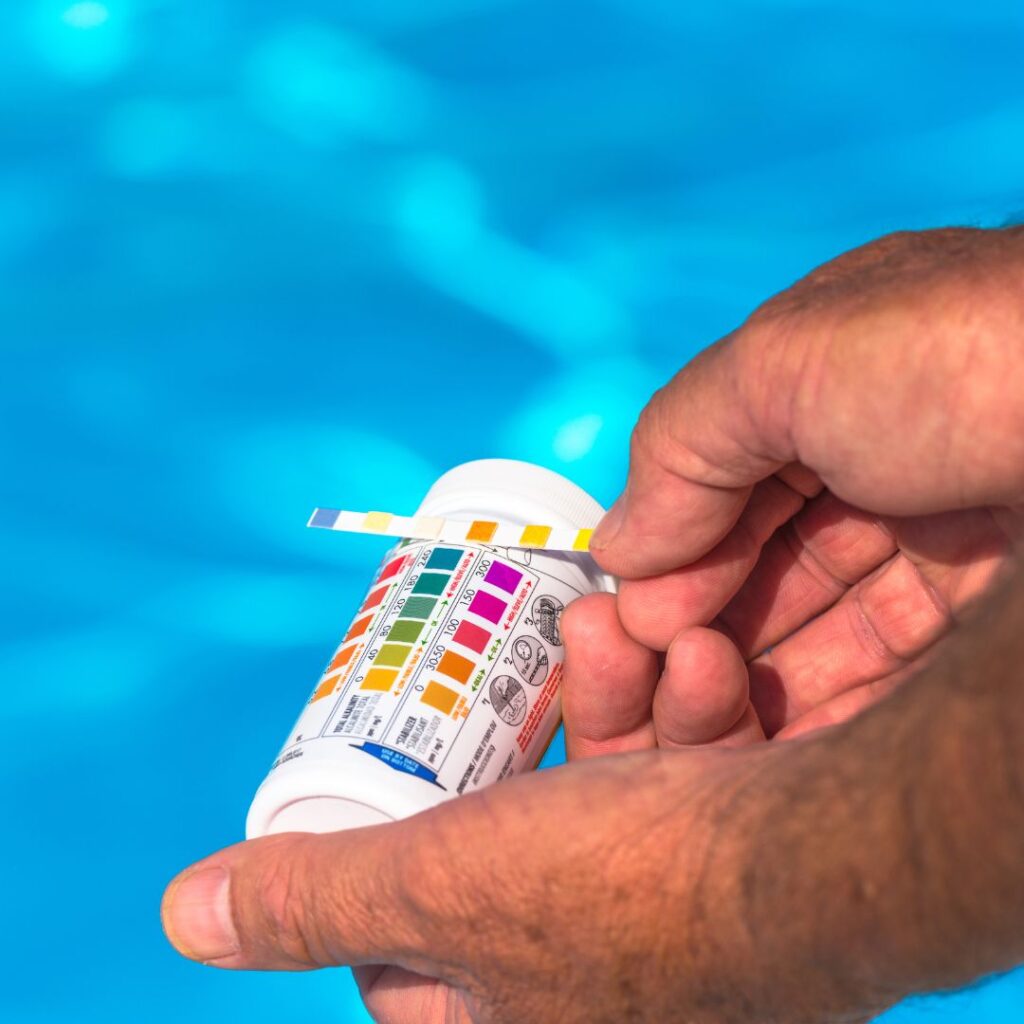
The pH level of a pool is the measure of how acidic or alkaline the water is. The pH level of the pool must be kept within a range of 7.2 to 7.6. If the pH is too low, it can cause skin and eye irritations, damage pool equipment, and foster the growth of bacteria and algae. If the pH is too high, it can cause cloudy water and scale buildup on pool surfaces.
Total Alkalinity Levels
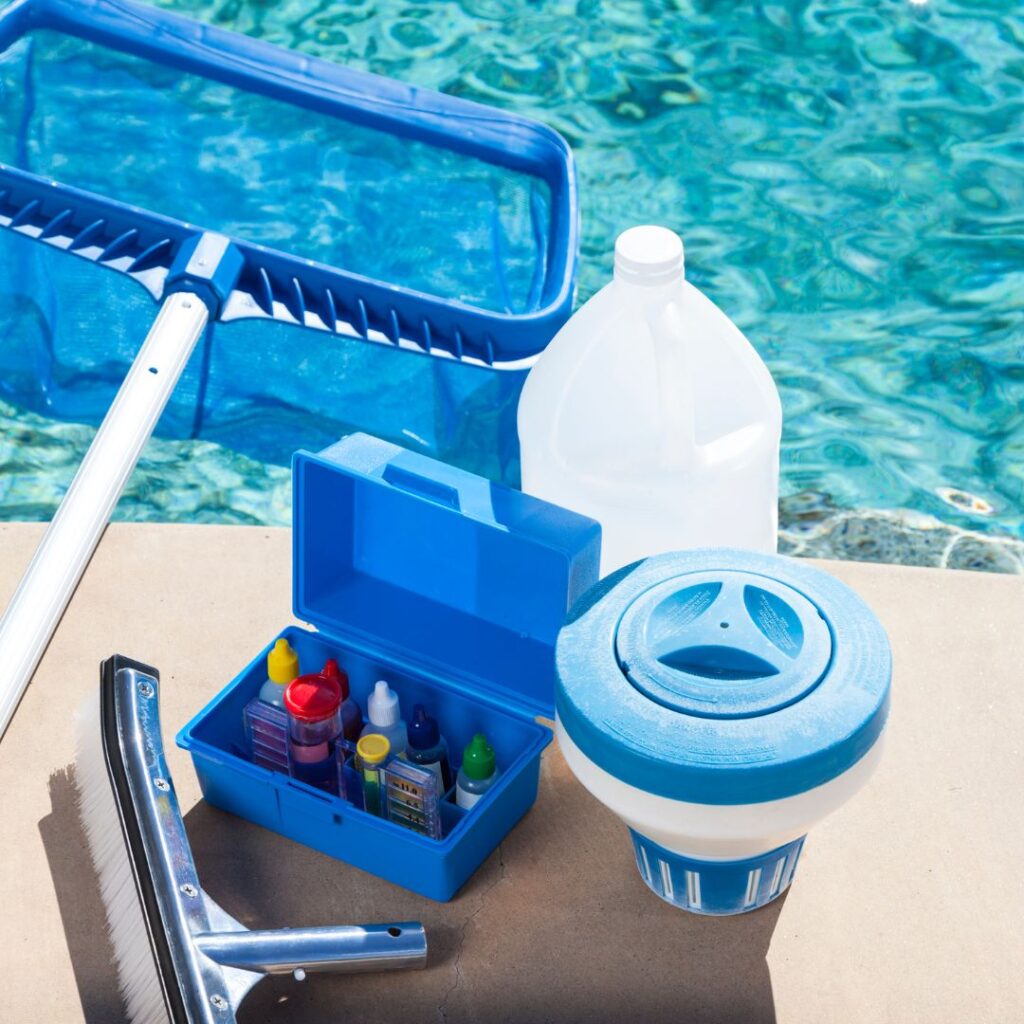
Total alkalinity (TA) is the measure of the water’s ability to resist changes in pH. It is important to maintain the TA of a pool between 80 and 120 ppm. If the TA is too low, it can lead to pH level fluctuations, which can cause skin and eye irritations and damage pool equipment. If the TA is too high, it can make the water cloudy and cause scale buildup on surfaces.

Chlorine Levels
Chlorine is used to kill bacteria and other contaminants, and it is important to maintain the right levels of chlorine in a pool. Generally, chlorine levels should be kept between 1.0 and 3.0 ppm. If the chlorine levels are too low, it can lead to the growth of bacteria and algae. If the chlorine levels are too high, it can cause skin and eye irritations.
Calcium Hardness
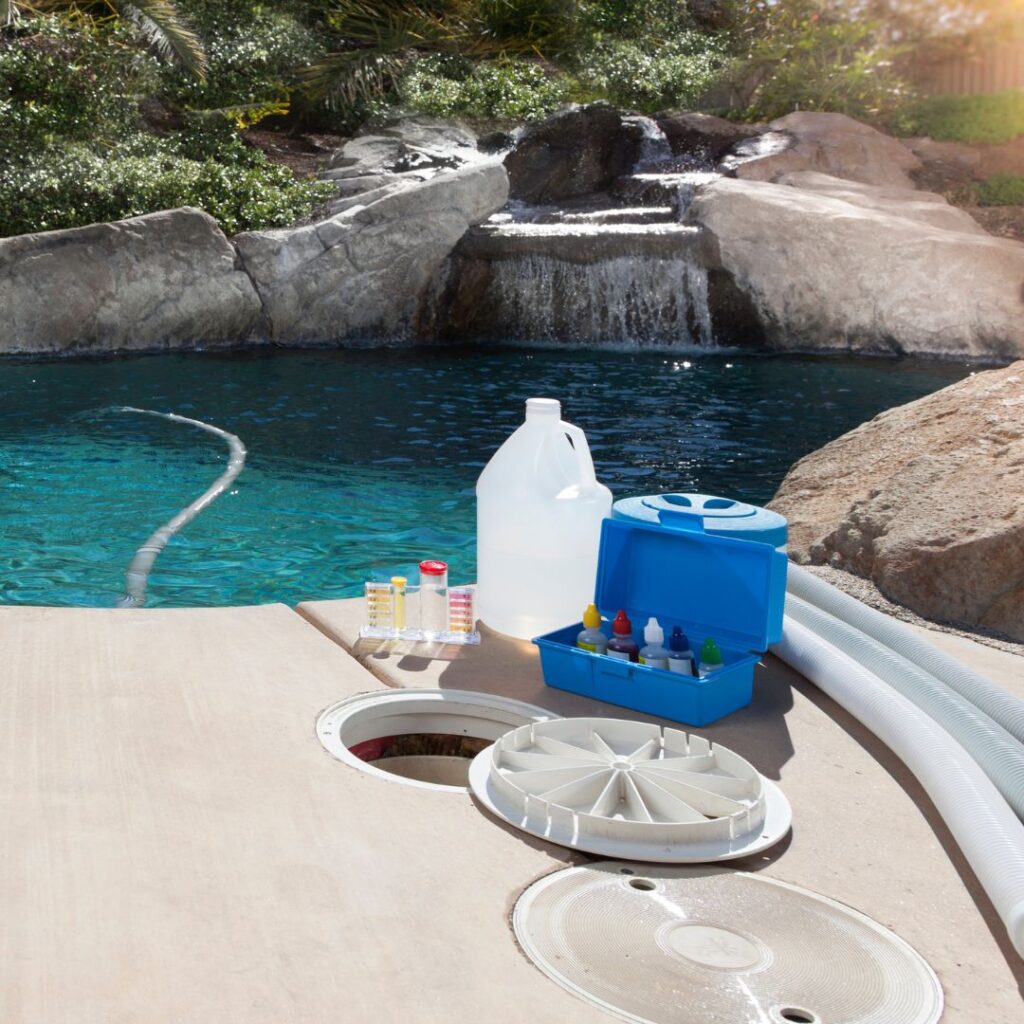
The calcium hardness of a pool is the measure of the amount of calcium salts in the water. It is important to maintain the calcium hardness of a pool between 150 and 400 ppm. If the calcium hardness is too low, it can lead to corrosion and scaling on pool surfaces. If the calcium hardness is too high, it can cause cloudy water and scale buildup on surfaces.
The Pool Maintenance Company Goodyear Trusts
Maintaining the chemical balance of a pool is essential for a safe and enjoyable swimming experience. If you need help with your pool’s chemistry, contact Universal Pool Service in Goodyear to help you get your pool back in balance.
Schedule a Service
Contact Us Today
"*" indicates required fields
We have been in the business since 2002 and promise to always be honest with you, provide the best service for you, and get the job done right the first time.

We offer a range of pool services depending on the needs of our clients. Find out more about our services and pricing and what Universal Pool Service has to offer.
Your pool is going to need some repair work done. However, we can help you with all your repair needs as we are licensed, bonded, and insured for your protection. AZ ROC 291085